

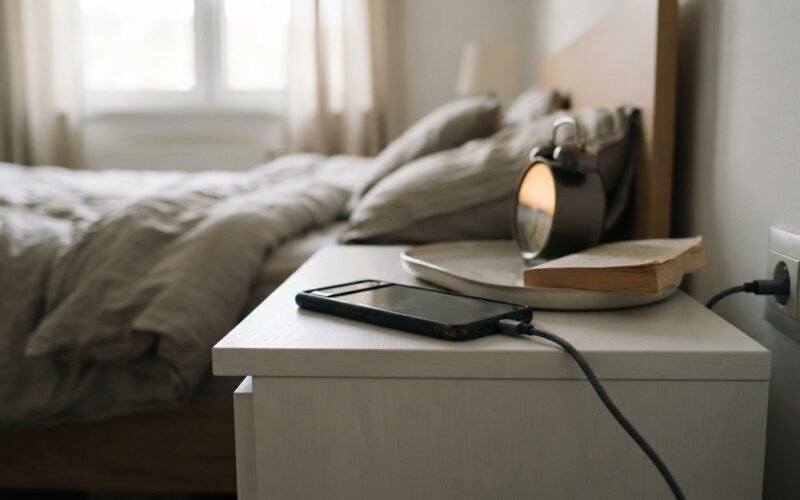
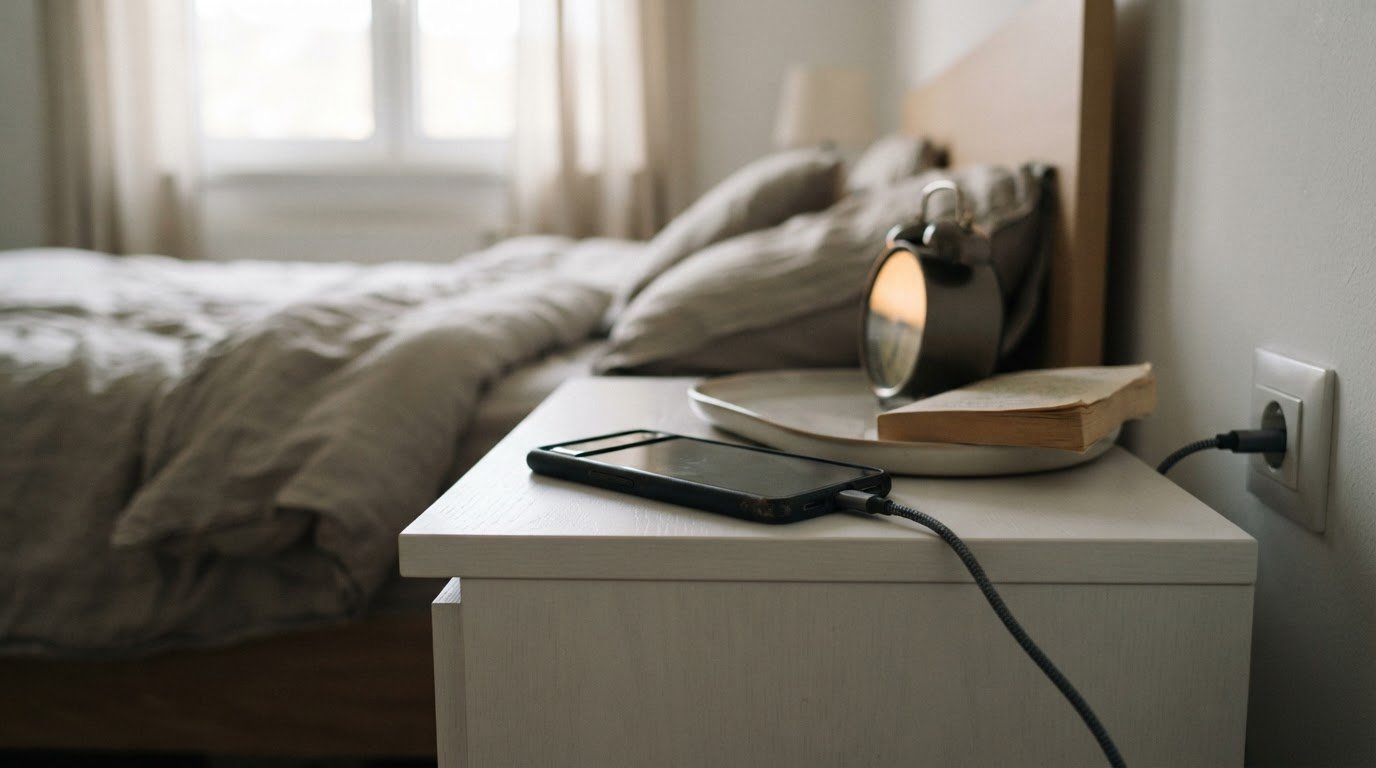
You plug your phone into the wall charger at 11 PM, go to sleep, and unplug it at 7 AM the next morning. It is a daily routine for millions of smartphone users, but it often comes with a nagging sense of worry. Is this overnight habit silently destroying your phone battery, or is the fear of overcharging just an outdated myth?
The direct verdict is simple: your smartphone will not explode, overload, or overcharge if left plugged in overnight. Modern devices are built with protective chips that automatically stop drawing electricity once the battery reaches 100 percent. However, leaving your phone plugged in for hours on end is still bad for its long-term lifespan. Keeping a lithium-ion battery sitting at maximum capacity subjects it to high-voltage stress and continuous trickle heat, which gradually degrades the chemical components and shortens the overall battery health.
Why Overnight Charging Causes Silent Damage
To understand why overnight charging degrades your phone, you have to look at how lithium-ion batteries work. These batteries do not like extremes. They degrade fastest when they are completely empty (0 percent) or completely full (100 percent). The sweet spot for battery longevity is keeping the charge between 20 percent and 80 percent.
When your phone sits plugged in at 100 percent for hours, it enters a state of high-voltage stress. Think of it like a metal spring that is stretched to its absolute limit, staying under high tension for eight hours straight. Over time, this constant physical tension weakens the spring.
Additionally, as your phone naturally loses a tiny bit of power while idle, the charger kicks back in to top it up from 99 percent to 100 percent. This continuous cycle, known as trickle charging, generates low-level heat. Heat is the ultimate enemy of battery health. Over months, this combination of high voltage and trickle heat wears down the battery chemistry. This is true whether you own a budget-friendly device like the Redmi 17C 5G or a premium flagship.
To prevent this gradual degradation, you can implement three simple, practical adjustments to your nightly routine.
1. Enable Built-In Battery Protection Settings
Smartphone manufacturers are fully aware of overnight charging habits, which is why they have built smart software tools directly into your settings to mitigate the damage. These tools cap the charge or delay the final top-up until right before you wake up.
- For iPhone Users: Navigate to Settings, select Battery, tap Battery Health and Charging, and select Optimized Battery Charging. This setting learns your daily charging routine and pauses charging at 80 percent overnight, waiting to finish the last 20 percent right before you usually unplug the phone. On newer models, you can choose to set a hard limit of 80 percent.
- For Samsung Users: Go to Settings, select Battery, tap Battery protection, and choose Maximum. This setting caps the charge at 80 percent, preventing the phone from ever entering the high-stress 100 percent zone overnight.
- For Google Pixel Users: Open Settings, select Battery, tap Adaptive preferences, and enable Adaptive Charging. This feature uses your morning alarm time to slowly charge the phone, ensuring it reaches 100 percent right as your alarm goes off, rather than sitting at full capacity all night.
2. Remove Thick, Rugged, or Leather Cases
Many users protect their expensive smartphones with heavy-duty, rugged, or leather cases. While these cases are excellent for drop protection during the day, they act like a thick winter jacket when your phone is charging at night.
Charging a battery naturally generates heat. Under normal conditions, this heat dissipates into the surrounding air. However, a thick case traps the heat against the back of the phone, raising the internal temperature of the battery.
If you must charge your phone overnight, make it a habit to slide the case off before you plug it in. Keeping the phone cool during its longest charging cycle of the day is one of the easiest ways to preserve its long-term capacity.
3. Swap the Fast Charger for a Slower Adapter
Fast chargers are incredibly convenient when you need a quick power boost before heading out the door. They pump high current into the device, which generates a significant amount of heat.
However, when you are sleeping, your phone has six to eight hours to reach a full charge. High-wattage fast charging is completely unnecessary during these hours.
Keep your high-wattage fast charger in your living room or office for quick daytime top-ups. For your bedside table, use an older, standard 5W or 10W charging adapter. A slower charger keeps the phone cool, reduces chemical stress on the battery cells, and safely juices up the device over several hours. This slow-charging approach is highly beneficial for managing heat, even on devices designed with robust power systems like the Poco X8 Power and its heavy-duty battery capacity.
Common Mistakes to Avoid
While optimizing your settings and hardware helps, you should also avoid two common overnight charging mistakes that pose safety risks.
- Charging Under a Pillow or Bedsheet: Never place a charging phone under your pillow, on your mattress, or beneath a heavy blanket. These soft materials trap extreme heat, creating a serious fire hazard and rapidly degrading the battery. Always place the phone on a hard, flat surface like a wooden nightstand or a desk.
- Using Cheap, Uncertified Cables: Avoid using cheap, unbranded charging cables purchased from local street markets or unverified online sellers. These cables often lack the internal safety chips required to communicate with your phone. Without these chips, the cable cannot regulate the current properly, leaving your phone vulnerable to power surges and overheating. Stick to original manufacturer cables or certified third-party brands.
