Gartner Kochi 2026 Software Engineering Trends: How Indian Dev Teams Can Set Up Agent Guardrails, Sandboxes, and Local AI
Engineering leaders gathering in Kochi for Gartner IT Symposium/Xpo 2026 on November 18, 2026 heard a clear warning about autonomous coding tools. As frontier model capabilities converge, raw model intelligence is no longer the primary differentiator for production software delivery. Instead, Gartner’s newly released software engineering forecast identifies four architectural layers that separate reliable engineering teams from chaotic vibe-coding experiments: AI-native development platforms, guardrail engineering, agent sandboxing, and local AI infrastructure.
The practical takeaway for developers and tech leads in India is immediate: you can cut post-deployment bugs and avoid cloud API lock-in right now by wrapping coding agents inside deterministic rule files, isolated execution sandboxes, and local inference runtimes. Gartner projects that teams using structured AI coding guardrails will experience 60 percent fewer post-deployment defects by 2028, while 70 percent of enterprises will isolate agent workflows inside sandboxes by 2030.
1. What Changed in Gartner’s November 2026 Software Engineering Forecast
Announced in Kochi on November 18, 2026, Gartner’s strategic technology roadmap shifts focus from prompt tricks to enforceable engineering infrastructure. Full details from the Gartner Kochi 2026 press release highlight four shifts:
- Structured Agent Guardrails Over Model Swapping: An agent guardrail framework pairs coding assistants with repository rules, architecture schemas, and automated test gates so agents follow team standards rather than inventing ad-hoc patterns.
- Mandatory Agent Sandboxing: With enterprise sandbox adoption projected to jump from 10 percent in 2026 to 70 percent by 2030, security teams are moving coding agents out of unrestricted developer laptops into isolated environments that block privilege escalation and unauthorized file access.
- Local AI for Sovereignty and Cost Control: Gartner predicts that 60 percent of regulated enterprises will migrate AI workloads onto self-hosted infrastructure by 2028 after realizing that vendor headquarters jurisdiction, rather than server location, governs cross-border data access.
- AI-Native Development Platforms: Custom applications built on AI-native platforms are projected to rise from 2 percent of enterprise portfolios in 2025 to 40 percent by 2030.
2. Four Practical Steps to Harden Your AI Coding Workflow Today
You do not need a multi-year platform migration to apply Gartner’s recommendations on your workstation or team repository. Implement these four concrete steps this week:
- Commit a deterministic rule file to every repository: Create a root-level AGENTS.md or CLAUDE.md specification defining your exact directory layout, allowed dependencies, lint commands, and mandatory test scripts. Configure your pre-commit hook or CI pipeline to reject any agent-generated pull request that skips unit tests or adds unapproved packages.
- Run autonomous coding agents inside an isolated container sandbox: Never run coding agents with unrestricted shell permissions on a host machine holding production SSH keys or cloud credentials. Launch your CLI agent inside a rootless Docker container or devcontainer mounted strictly to the active project folder with read-only access to shared configuration files.
- Route routine code completion and log triage to local models: Offload repetitive syntax checks, commit message drafting, and test failure summaries to an open-weight coding model running locally via Ollama or llama.cpp. Reserving cloud frontier APIs for complex multi-file architecture reviews cuts token spend while keeping proprietary source code inside your local network boundary.
- Enforce automated post-generation verification gates: Pair every agent session with static analysis and dependency vulnerability scanners before human code review begins. Treating agent output as untrusted third-party code catches hallucinated imports and subtle logic regressions before they reach staging.
3. Practical Friction, Hardware Limits, and Adoption Trade-Offs
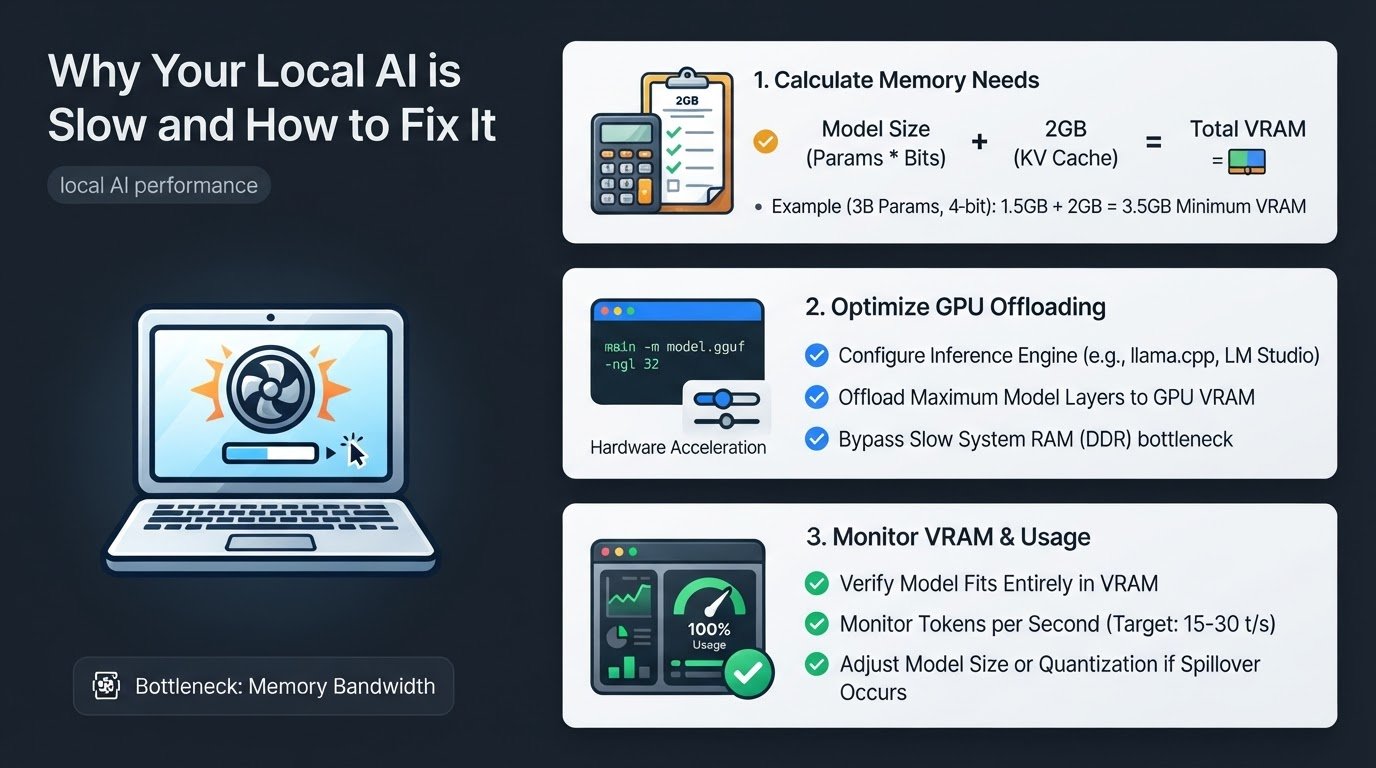
Adopting rule frameworks, sandboxes, and local models introduces real engineering trade-offs that teams in Bengaluru, Hyderabad, and Pune should plan around. First, running capable local coding models alongside Docker sandboxes and IDE language servers requires at least 24GB to 32GB of unified or system RAM; laptops with 16GB memory will experience heavy swap latency when indexing large monorepos. Before rolling out local inference across a team, benchmark actual tokens per second and peak memory consumption on your standard developer laptops.
Second, overly rigid repository rules can slow down early prototyping if every small script triggers full integration suites. Keep a lightweight rule profile for experimental scratchpads while enforcing strict test and sandbox gates on production repositories, and configure pre-commit checks to run fast unit tests locally while reserving full end-to-end builds for staging runners.
Third, while India’s Digital Personal Data Protection rules and banking compliance frameworks favor local inference for regulated workloads, teams must still budget engineering hours to patch local model runtimes and container base images so self-hosted infrastructure does not become a maintenance bottleneck. Engineering leaders evaluating multi-agent orchestration or local deployment architectures can review the full benchmark methodology in Gartner’s November 2026 software engineering announcement.